
AI-Powered Traffic Systems: Enhancing Road Safety and Flow on Saudi Highways
Explore how AI-powered traffic monitoring, connected sensors, and real-time analytics can help improve road safety and traffic flow across Saudi Arabia's highways.

Saudi Arabia's vast highways handle immense daily traffic, creating significant safety and congestion risks across hundreds of kilometres.
To manage these challenges, AI-powered traffic systems are increasingly being deployed to actively analyze road conditions in real time. Unlike traditional recording cameras, these intelligent systems can instantly detect accidents, slowdowns, and dangerous driving patterns before they escalate into serious incidents.
Implementing these AI solutions is becoming essential for optimizing traffic flow and ensuring driver safety across the Kingdom's critical transit corridors.
What Makes a Traffic System AI-Powered?
A standard traffic camera records video. An AI-powered system goes further by analyzing that video automatically, without a person watching every screen. It can recognize vehicles, estimate speed, detect stopped cars, count traffic volume by lane, and flag unusual behaviour such as sudden braking across multiple vehicles, all without human input.
These systems typically combine several technologies:
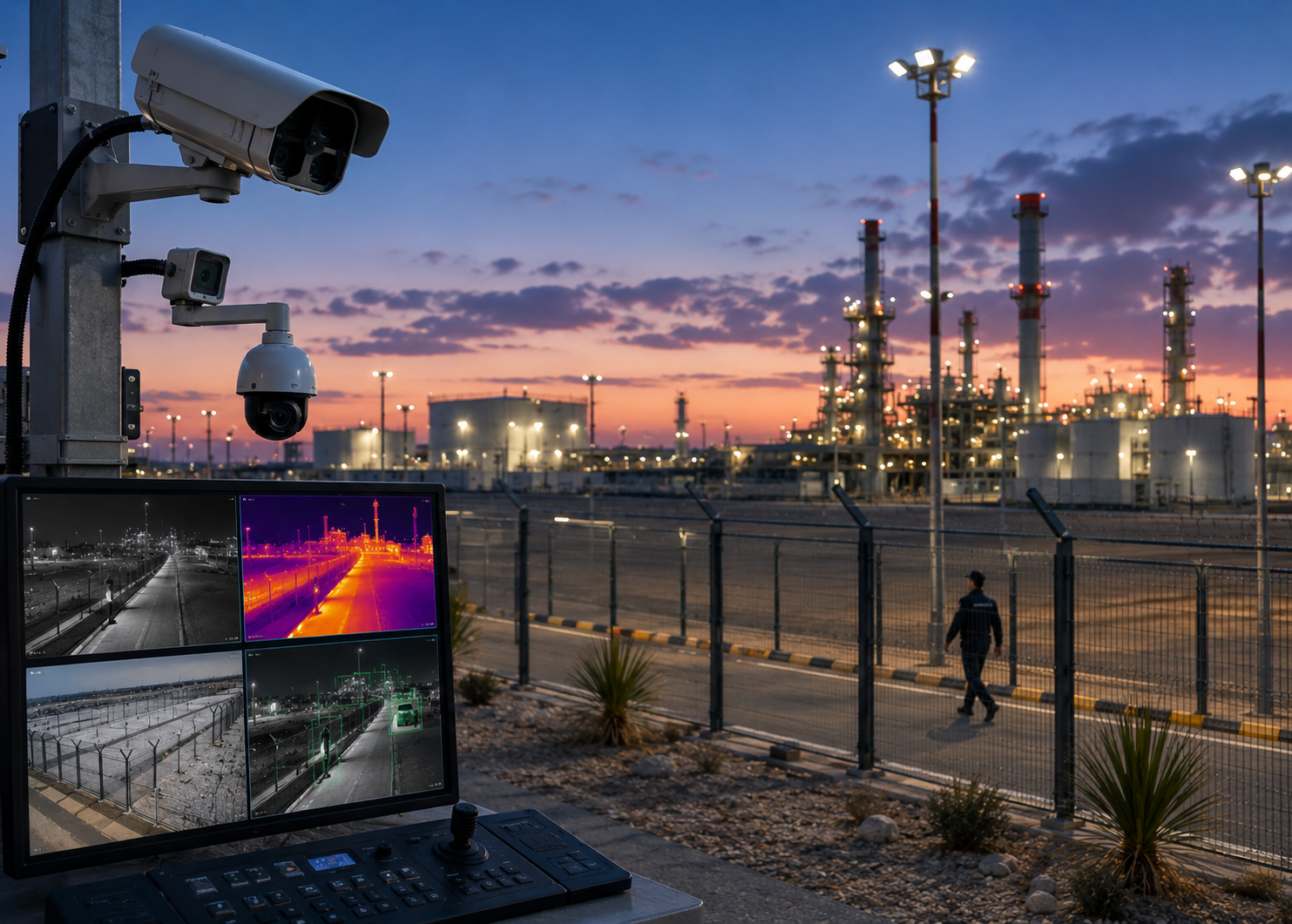
- Smart cameras: High-resolution cameras capable of working in bright sun, darkness, and dust.
- Video analytics software: The AI layer that interprets footage and identifies events worth flagging.
- Sensor networks: Radar or LiDAR sensors that add accurate speed and distance data alongside camera footage.
- Central dashboards: Control-room screens where operators see alerts, live feeds, and historical data in one place.
The key difference is automated analysis: instead of relying solely on someone watching video, the system can identify defined traffic events and bring them to an operator's attention.
Why This Matters on Saudi Highways
Saudi Arabia has long highways connecting major cities, along with dense urban roads inside Riyadh, Jeddah, and other cities. Both settings bring different risks. Long stretches of highway can lead to speeding and driver fatigue, while dense city traffic brings a higher chance of sudden stops and lane-changing accidents.
AI traffic systems help address both:
- They detect accidents or breakdowns within seconds instead of waiting for someone to call them in.
- They spot vehicles travelling well above the speed limit or driving erratically before an accident happens.
- They identify congestion building up early enough for authorities to redirect traffic or dispatch help.
- They provide data on which stretches of road see the most incidents, helping guide where safety improvements are needed most.
Benefits of AI-Powered Traffic Systems
Faster Incident Response
Automatic detection means help gets dispatched sooner, which can make a real difference in serious accidents and other urgent road incidents.
Reduced Congestion
Signal timing and rerouting decisions can be based on live conditions rather than fixed schedules alone, where connected systems support those actions.
Better Data for Planning
Long-term incident and congestion data helps identify which roads need redesign, added capacity, or operational improvements.
Lower Control-Room Workload
Operators can be alerted to road problems instead of having to watch dozens of camera feeds constantly.
Improved Driver Behaviour Insight
Speed and pattern data can support targeted awareness campaigns on the routes that need them most.
Better Situational Awareness
Combining camera feeds, sensor information, and centralized monitoring helps operators build a clearer picture of changing road conditions.
Challenges to Address
Environmental Interference
Sandstorms, heavy glare, and extreme heat can affect camera accuracy if equipment is not rated for the conditions in which it operates.
Coverage Gaps
Long highway stretches between cities and dense urban corridors may require careful sensor and camera positioning to avoid blind spots.
False Alerts
Poorly tuned systems can flag too many false positives, which wastes operator time and reduces trust in the system.
Data Storage and Privacy
Video and vehicle data need clear storage policies in line with Saudi data protection requirements.
Integration with Response Teams
Alerts are only useful if they connect directly to the teams who can act on them, whether that is highway patrol, ambulance services, or maintenance crews.
Best Practices for Implementation
Choose cameras and sensor hardware that is specifically designed and rated to operate reliably in high temperatures and dusty environments, rather than using standard equipment adapted for the region.
During the implementation phase, carefully tune and test detection settings to minimize false alerts before the system is fully deployed. Focus initial installation on high-risk road sections, including merge points, tunnel entrances, and accident-prone curves where incidents are more likely to occur.
Integrate the system directly with highway patrol and emergency response teams so that alerts are communicated immediately and can be acted upon without delay. Finally, review incident data every few months to identify emerging traffic patterns, optimize camera placement, and refine signal timing to maintain the system's effectiveness over time.
Start with clearly defined high-risk locations, establish alert-handling procedures, and measure performance before expanding the system across a wider road network.
Supporting Saudi Arabia's Road Safety Goals
Reducing road accidents has been a stated priority for Saudi Arabia for years, alongside the wider push to build modern, efficient cities under Vision 2030. AI-powered traffic systems give authorities a practical way to work toward both goals at once, cutting accident response times while also easing daily congestion for ordinary commuters.
As more highways, ring roads, and urban corridors get built or upgraded, the expectation for connected, intelligent monitoring keeps growing, especially with major events like Hajj and Expo 2030 adding extra pressure on the road network at certain times of year.
Supporting Safer, Smarter Roads
Reducing road accidents has been a stated priority for Saudi Arabia for years, alongside the wider push to build modern, efficient cities under Vision 2030. AI-powered traffic systems can give authorities a practical way to work toward both goals, helping identify incidents and congestion earlier.
Implementing Your AI Traffic System with KTC Saudi
KTC Saudi designs and deploys AI-powered traffic monitoring systems for highways, urban roads, and major transport corridors across the Kingdom. We select hardware suited to local climate conditions, tune detection systems to reduce false alerts, and connect everything to a central dashboard your team can actually use day to day.
If you are looking to modernize existing traffic monitoring, our team can help design a system that improves both safety and traffic flow without unnecessary complexity.
Building Safer and More Efficient Highways
AI-powered traffic systems offer a way to move beyond passive video recording towards more active traffic monitoring. By detecting incidents, recognizing changing traffic patterns, and supporting faster operator response, these systems can contribute to safer and more efficient road networks.
Successful implementation requires suitable cameras and sensors, careful placement, reliable communications, well-tuned analytics, and clear coordination with response teams. With a site-specific approach, AI traffic monitoring can support Saudi Arabia's wider road safety and smart mobility ambitions.
Make Every Journey Safer with Intelligent Traffic Monitoring
Explore AI-powered traffic monitoring solutions designed around your highway, road network, and operational needs.
Talk to KTC Saudi →Frequently Asked Questions
Answers to common questions about AI-powered traffic monitoring and its application across Saudi Arabia.
These systems typically combine smart cameras capable of working in bright sun, darkness, and dust; video analytics software that interprets footage and identifies events worth flagging; radar or LiDAR sensor networks that add accurate speed and distance data; and central dashboards where control-room operators view alerts, live feeds, and historical data in one place.
AI analytics can flag configured events as they are detected in incoming camera or sensor data. Actual detection and response times depend on equipment, configuration, network performance, alert verification, and coordination with the relevant response teams.
Dust, sandstorms, extreme heat, glare, changing sunlight, and low-light conditions can affect image quality and detection performance. Suitable equipment, thoughtful positioning, testing, and regular maintenance help address these challenges.
When deployed at appropriate locations, traffic monitoring systems can help operators identify congestion, detect incidents, and understand changing traffic conditions. Their effectiveness depends on coverage, integration with traffic operations, and the procedures used to respond to alerts.
A practical starting point is to assess high-risk road sections, accident-prone curves, merge points, tunnel entrances, congestion hotspots, and locations with recurring incidents. Traffic data and local operational priorities can help determine the best initial coverage.